Age guidance: Fine motor play can be adapted to different ages, but the Helping Hands Fine Motor Tool Set featured below is recommended by its manufacturer for ages 3 and up. It is not a recommendation for children under 3. Follow the age labels and warnings on every toy and play material; adult supervision does not make an older-age product suitable for a younger child.
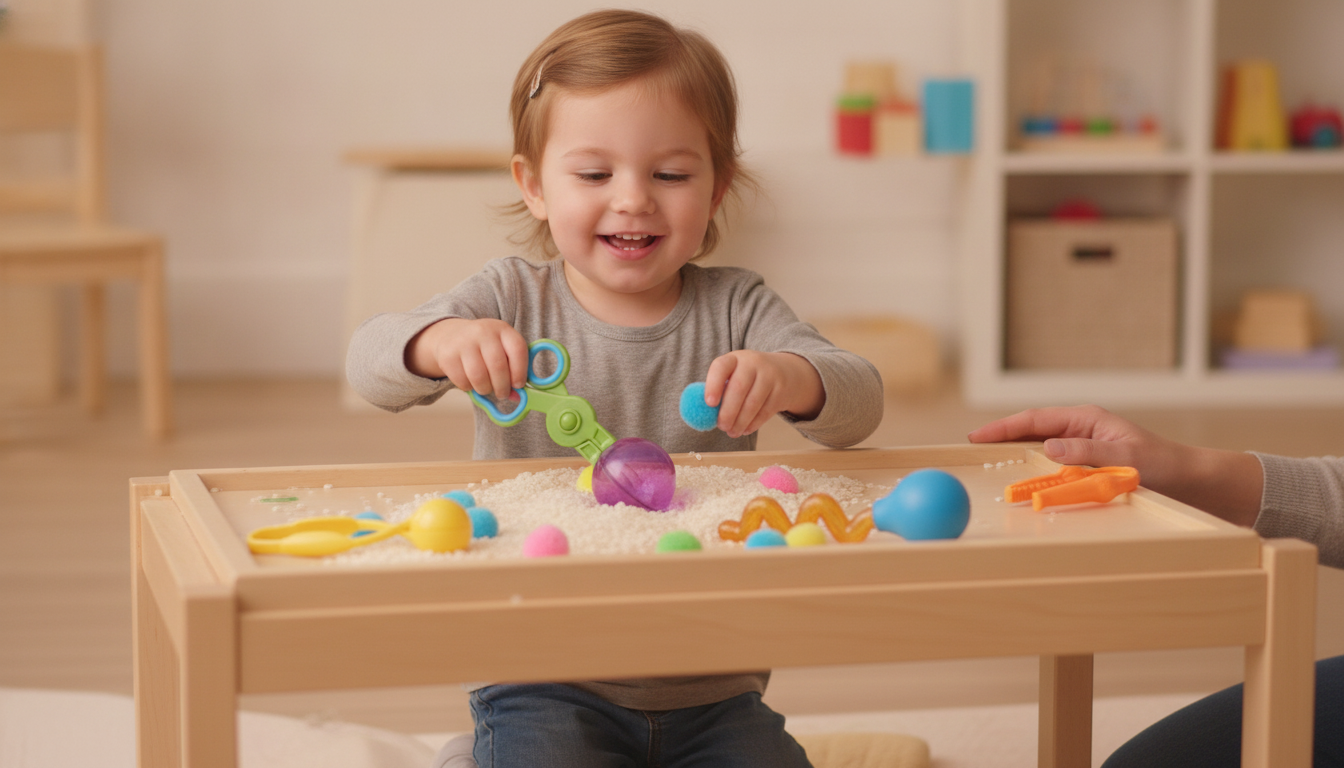
For children aged 3 and up, this four-tool set offers ways to practice gripping, scooping, squeezing, and transferring during supervised play. Check the product's current age guidance and warnings before use. — Amazon
Strengthening Little Hands: How Fine Motor Skills Toys for Toddlers Support Early Development

Watching a young child squeeze, scoop, and pinch during play reveals how much learning happens through little hands. Age-appropriate activities give children opportunities to practice grasping, releasing, and coordinating their movements. Choose fine motor toys and activities that match your child's age and abilities, rather than assuming every sensory toy is suitable for every toddler.
For children under 3, look for toys specifically labeled for their age, without small parts. Simple activities such as turning sturdy board-book pages or stacking large, age-rated blocks offer opportunities to practice hand movements without using the older-child tools featured in this article.
Why Fine Motor Skills Matter for Toddlers

Fine motor skills involve small movements of the hands and fingers. Children use these movements when handling toys, turning pages, using utensils, and, as they grow, drawing and managing clothing fasteners.
Play offers a way to practice these actions at a child's own pace. Try short, enjoyable activities, offer help when needed, and let your child repeat a movement that interests them. A toy can provide practice opportunities, but it does not guarantee a particular developmental outcome or replace individualized advice from a qualified professional.
How Sensory Play Provides Fine Motor Practice
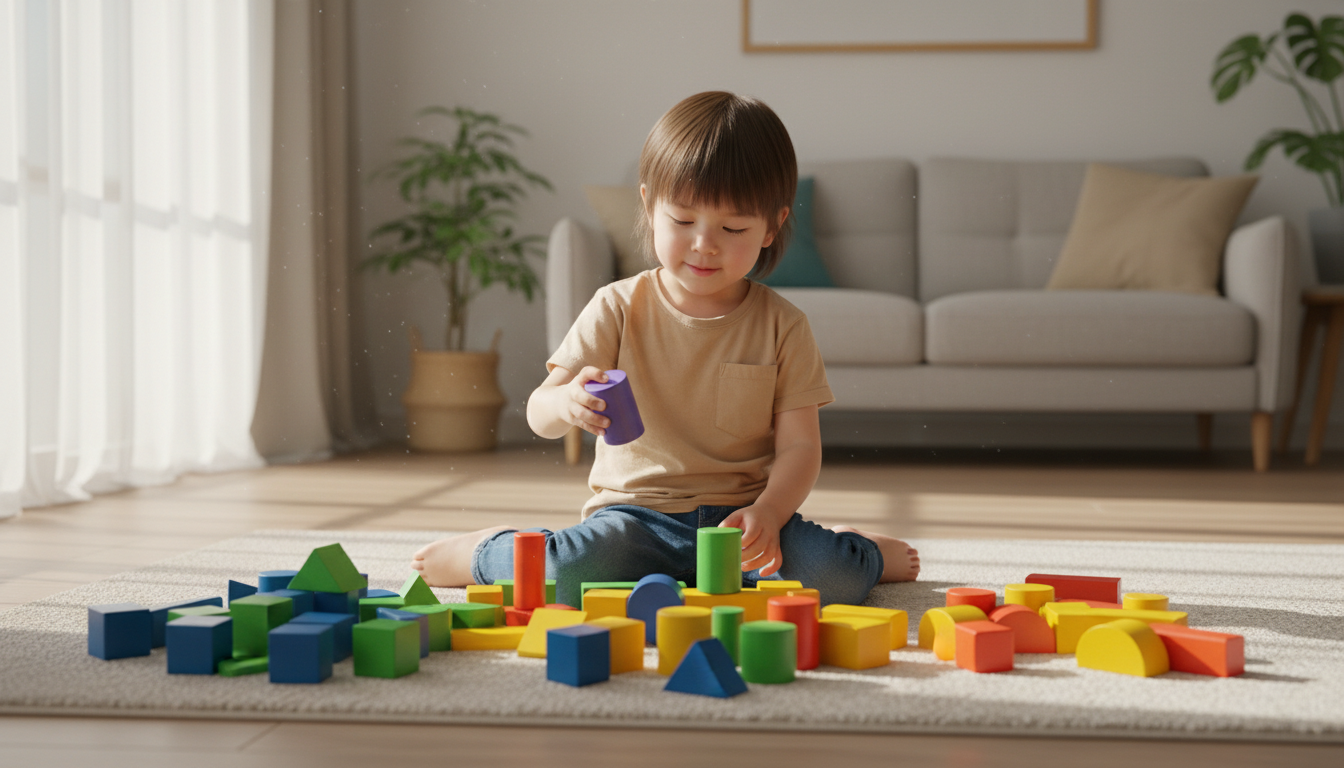
Sensory play can include activities such as squeezing, scooping, pouring, and exploring textures. The choice of material matters just as much as the activity. Use toys and materials intended for your child's age, and avoid small loose items that could be swallowed or inhaled.
For children aged 3 and up using age-appropriate tools, a shallow tray with a small amount of plain water provides opportunities to practice scooping and transferring. Stay within arm's reach throughout water play, prevent access by younger children, and empty the tray immediately afterward.
Avoid water beads: Do not use water beads in children's sensory bins. They can cause serious injury if swallowed, and scattered beads can remain accessible after play. The U.S. Consumer Product Safety Commission advises keeping them out of environments with children. See the CPSC water-bead safety guidance.
Meet the Helping Hands Fine Motor Tool Set for Ages 3+
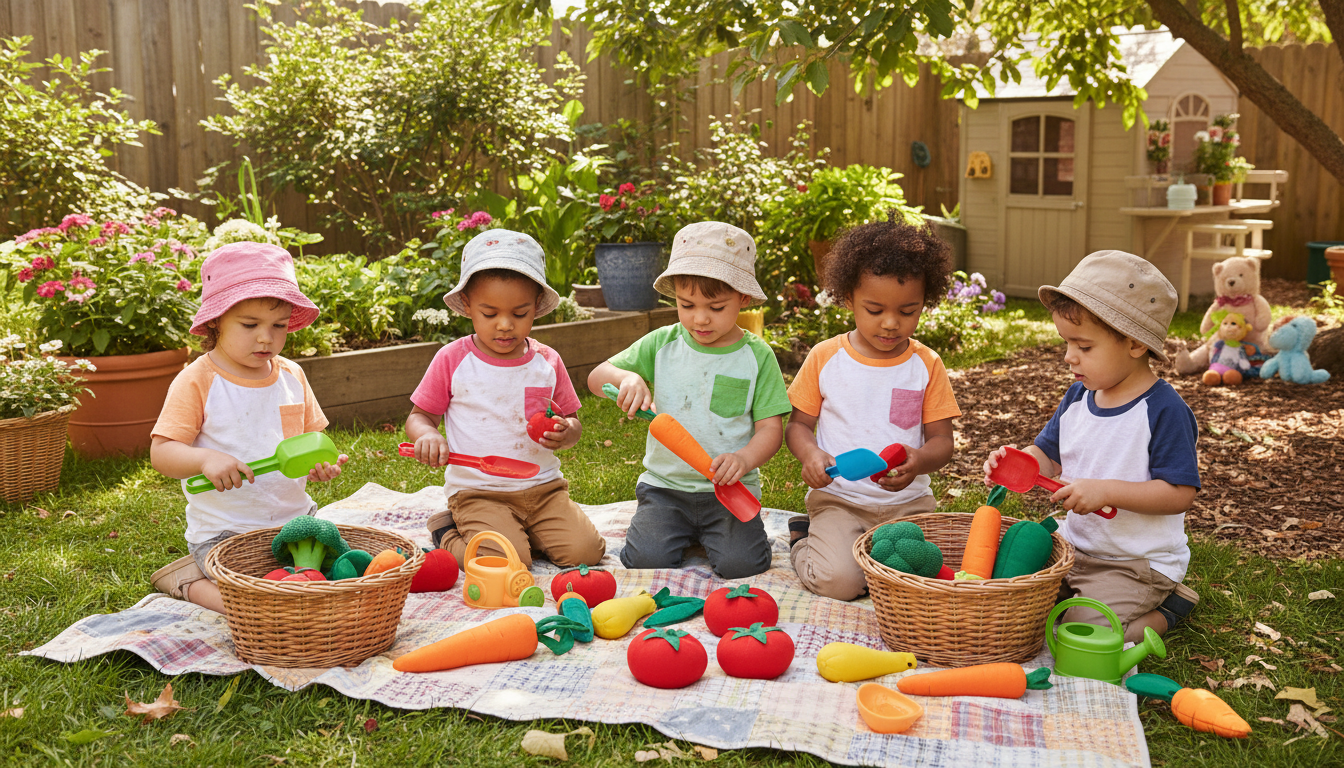
The Helping Hands Fine Motor Tool Set by Learning Resources contains four tools for supervised fine motor activities. The manufacturer lists the set for ages 3 and up:
- Gator Grabber Tweezers: Give children opportunities to practice opening, closing, and controlling a grasp.
- Handy Scoopers: Offer practice with scooping and transferring during age-appropriate activities.
- Twisty Droppers: Provide squeeze-and-release practice with plain water during closely supervised play.
- Squeezy Tweezers: Offer another way to practice squeezing and coordinating hand movements.
Select the activity to suit your child, follow the product instructions, and inspect the tools before each use. Do not use damaged items. The set's age rating does not make every possible sensory-bin material appropriate.
For children aged 3 and up, parents and caregivers can try these activities:
- Scoop and transfer: Put a small amount of plain water in a shallow tray and demonstrate transferring it between stable cups. Stay within arm's reach and empty all containers after play. Do not add water beads, loose beads, dried beans, rice, or other small loose fillers.
- Practice squeezing: Demonstrate opening and closing the tweezers without loose objects. Let your child try at their own pace; stop if the action is uncomfortable or frustrating.
- Imaginative role-play: Pretend to prepare a meal using empty cups and the tools, without adding small pretend-food pieces or other loose objects.
- Drawing practice: Offer age-appropriate crayons and paper for scribbling or drawing after tool play. Follow the crayons' age guidance and supervise their use.
- Everyday hand movements: Practice turning sturdy book pages or working with an age-appropriate large zipper, offering help as needed.
Safety comes first: Follow manufacturer age labels and warnings, supervise closely, and keep these tools away from children under 3. Avoid small parts and loose materials that could be swallowed, inhaled, or placed in the nose or ears. Reminders not to put objects in the mouth are not a substitute for choosing suitable materials and removing hazards.
Water beads should not be offered as a sensory-play option, even with adult supervision. Other small fillers are also inappropriate recommendations for young children. Choose an activity and materials that match your child's age and behavior, and stop play if your child mouths the materials.
Three Parent Takeaways:
- Match the activity to the child's age. The featured Helping Hands Fine Motor Tool Set is for ages 3 and up, not children under 3.
- Choose materials carefully. Avoid water beads and small loose fillers; closely supervise water play and empty containers afterward.
- Keep practice enjoyable. Short activities involving grasping, squeezing, scooping, and drawing offer opportunities to explore hand movements without promising specific developmental results.
Fine motor play does not need complicated materials. A few well-chosen, age-appropriate activities can give children opportunities to explore how their hands work. Follow your child's interests, offer support, and choose the activity with their age and safety needs in mind.