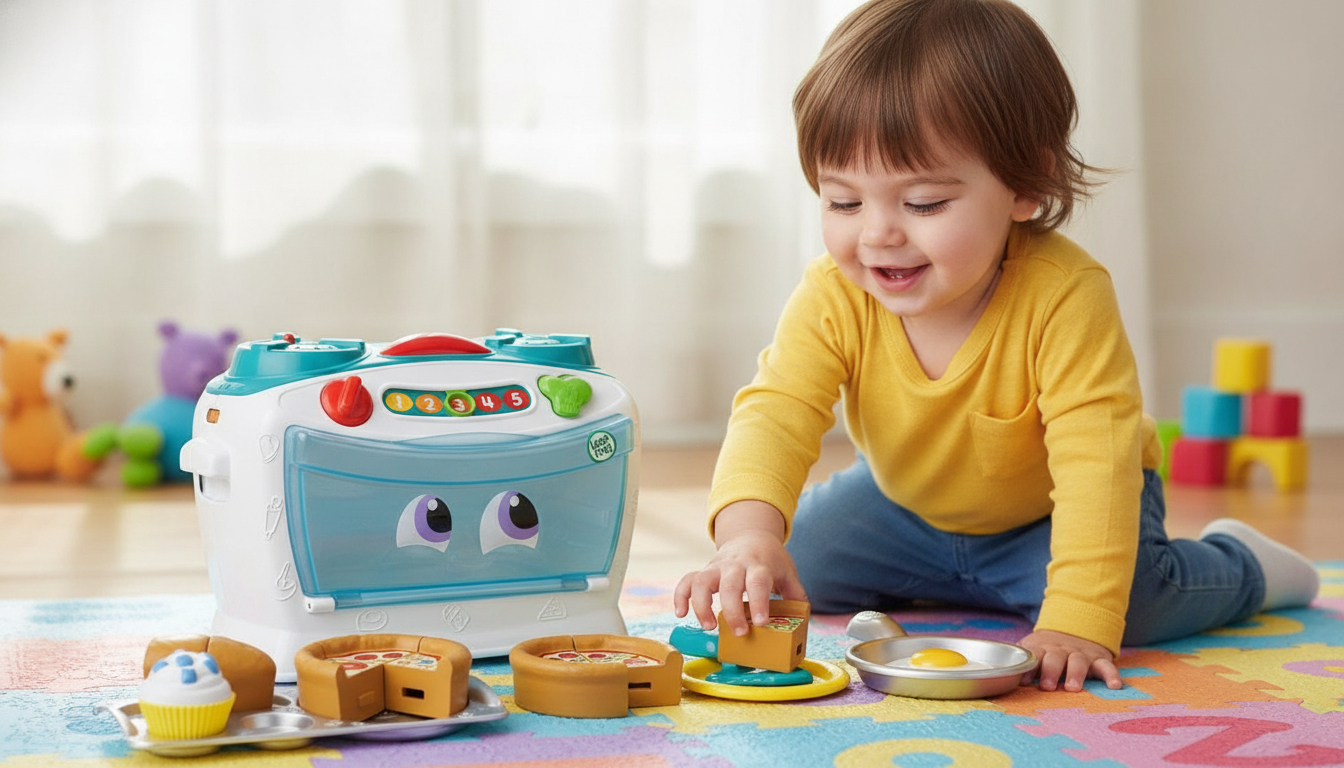
Children can pretend to cook, slice and serve play food, move the number slider and press the chef's hat for songs. Includes an interactive oven, play food, cookware and plates, with 30+ songs and phrases. Ages 2+. View on Amazon
Who this toy suits
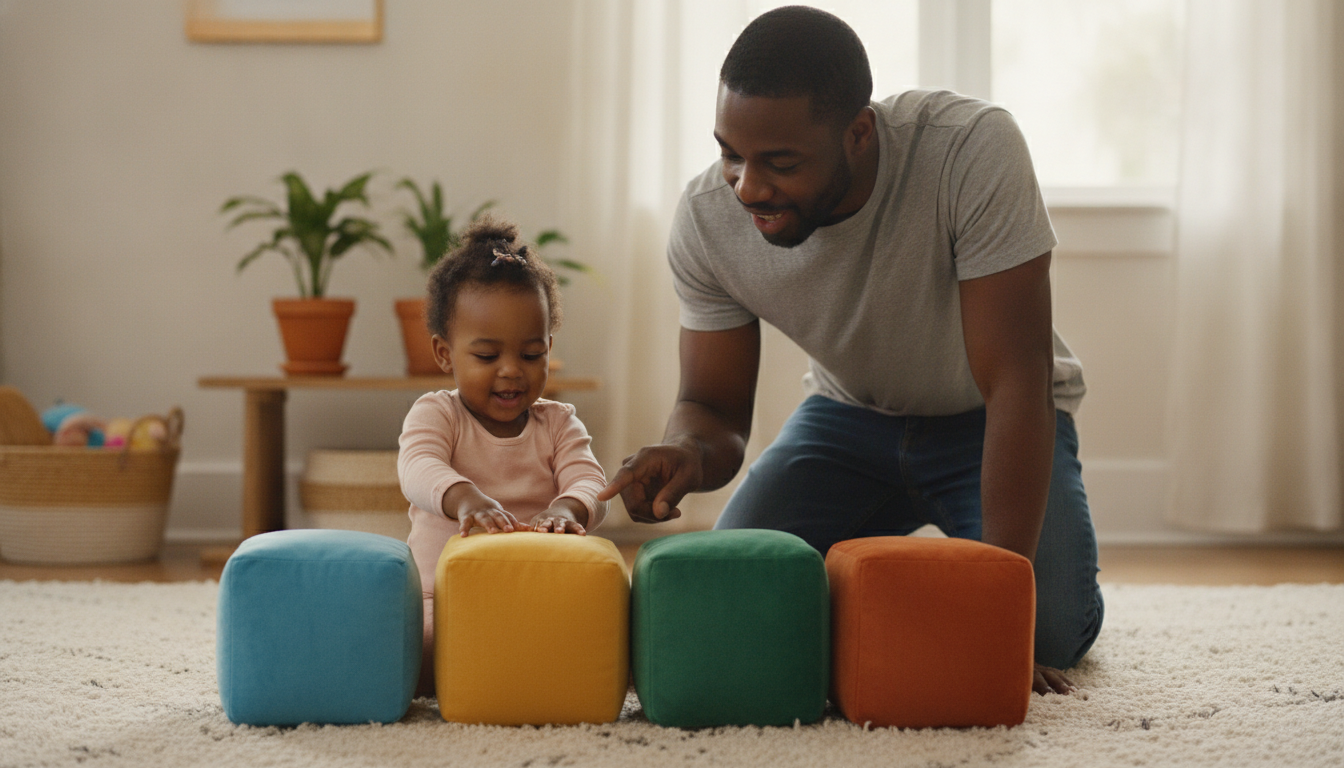
The LeapFrog Number Lovin' Oven Toy suits children who enjoy pretend cooking, serving play food and exploring controls that trigger sounds. The supplied listing specifies ages 2 years and older. It combines a cooking theme with number prompts, a clicking timer, and more than 30 songs and phrases.
Children can start by putting play food on the tray, opening the oven door or pressing the chef’s hat; knowing how to count is not a prerequisite for those actions. The main buying question is whether your child enjoys both pretend food play and electronic responses. A child who prefers quiet arranging and serving may be better matched with a non-electronic set.
What children can do and learn

- Count pieces while placing them. Children can move the four pizza slices onto the baking tray while an adult points to each piece and says one number. This offers an opportunity to practise counting objects rather than only reciting numbers. In its general early-math guidance, NAEYC describes counting together while pointing to each object, with curiosity and exploration taking priority over correct answers.
- Share and compare portions. Children can distribute the four pizza slices between the two included plates, then count how many are on each. An adult might ask whether the plates have the same number or whether one has more. This is an observable activity using the included pieces, not a claim that the toy teaches division or guarantees mathematical understanding.
- Act out cooking and serving roles. Children can request a pretend meal, prepare it and hand a plate to another person. This gives them a chance to practise saying what they want and exchanging roles. The American Academy of Pediatrics describes pretend play as an opportunity to experiment with social roles and recommends providing make-believe play opportunities for children ages 1–3.
Play ideas to try
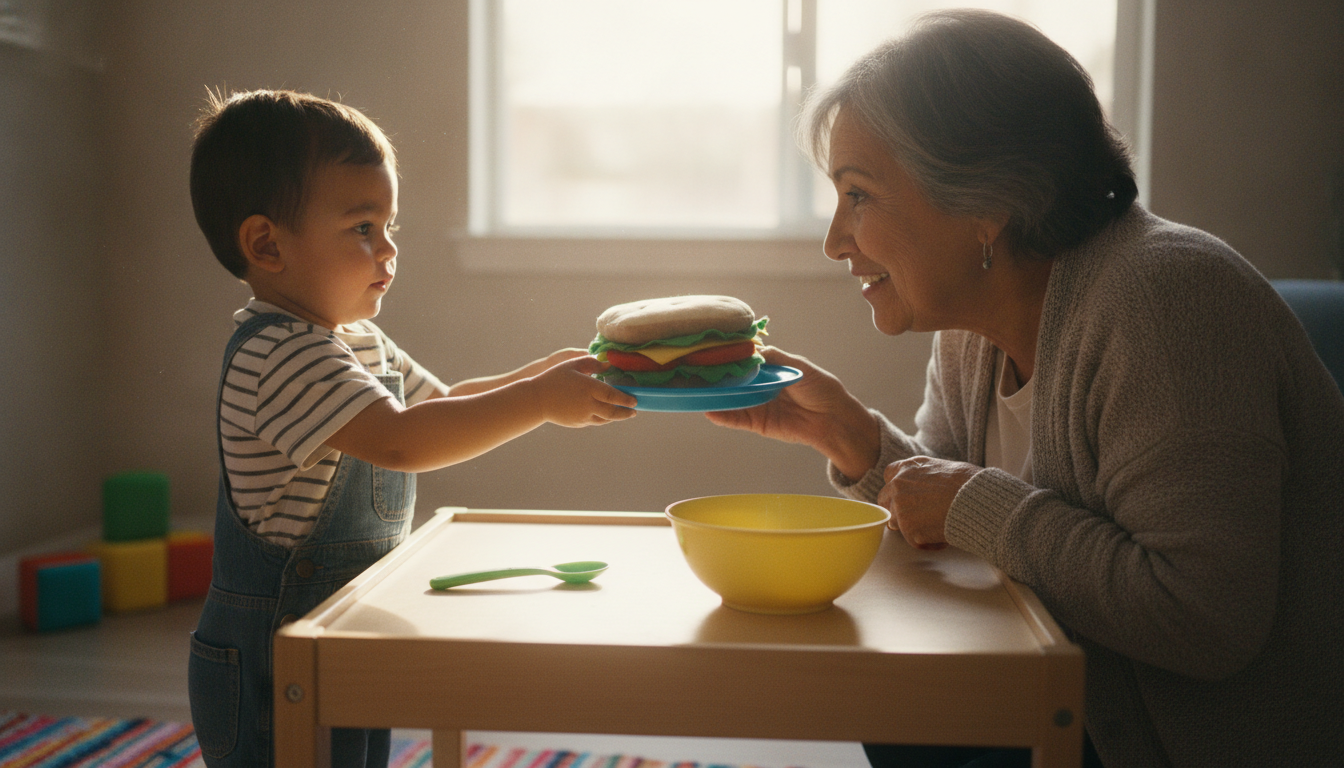
These are optional parent suggestions, not additional manufacturer game modes.
- Pizza for two: Put the four pizza slices together, then use the spatula to serve two onto each plate. Count each plate’s pieces together. If your child prefers a different arrangement, describe it rather than requiring equal portions.
- Pretend egg order: Place the skillet on the stove to activate the sizzling sound, add the play fried egg and serve it on a plate. Swap who requests the meal and who prepares it, naming the skillet, spatula and plate as you go.
- Count the clicks: Put the bread pieces on the baking tray and inside the oven. Turn the timer and count its clicks together, then open the door and serve. Treat this as a pretend cooking sequence, not a test of understanding elapsed time.
Before you buy
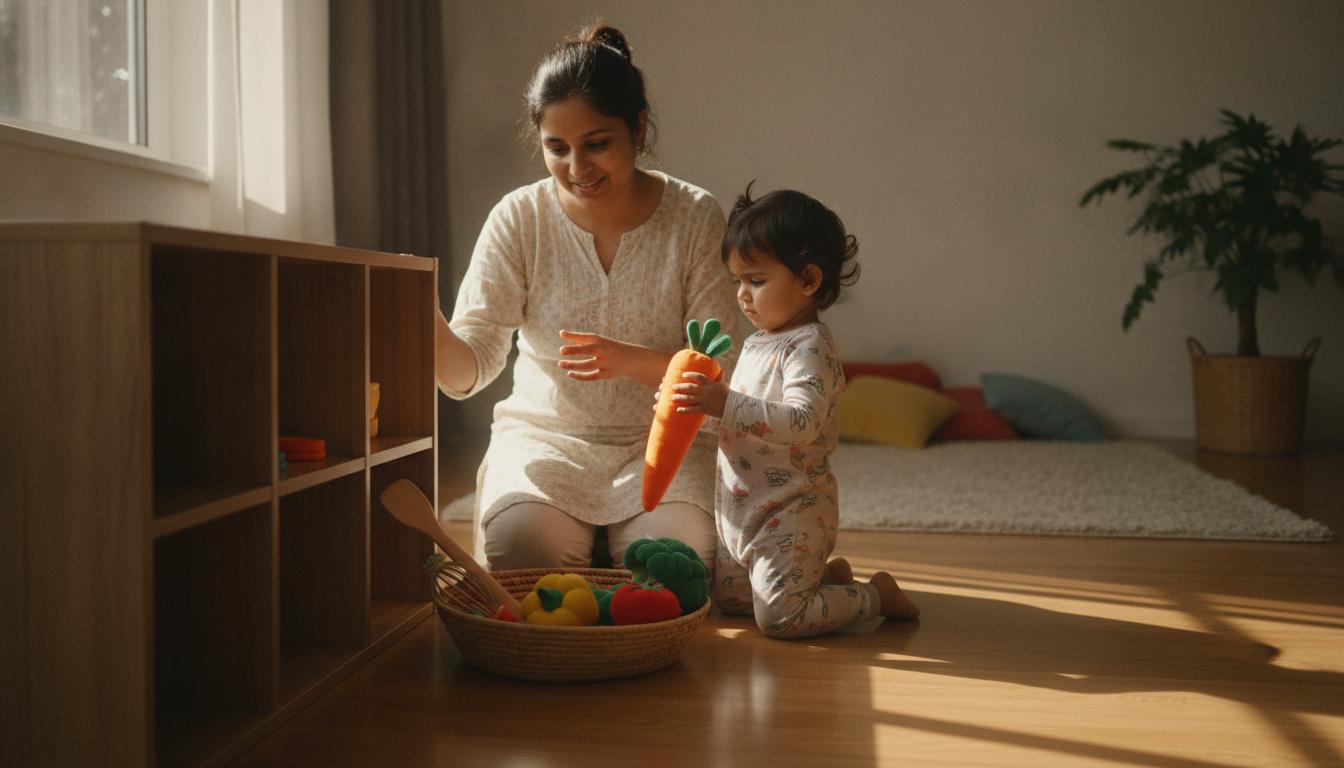
The listing’s “16 ingredients” wording does not mean 16 food items. The documented set includes the interactive oven, four pizza slices, three bread pieces, two cupcakes, one fried egg, one skillet, one spatula, one baking tray and two plates.
The listing says everything fits inside the oven for storage. During play, leave room for the tray, skillet and plates. Moving the number slider explores numbers, time and temperature; pressing the chef’s hat activates songs, and opening or closing the door activates phrases. These responses are features to consider, not proof that a child understands the concepts mentioned.
When another type may fit
A non-electronic pretend-food set may suit families wanting cooking play without songs or sound effects. If keeping track of separate food and utensils is not appealing, consider a single-piece pretend appliance or another self-contained role-play toy.
Sources
Research here is general play guidance, not testing or endorsement of this specific toy or evidence that it produces an improvement.