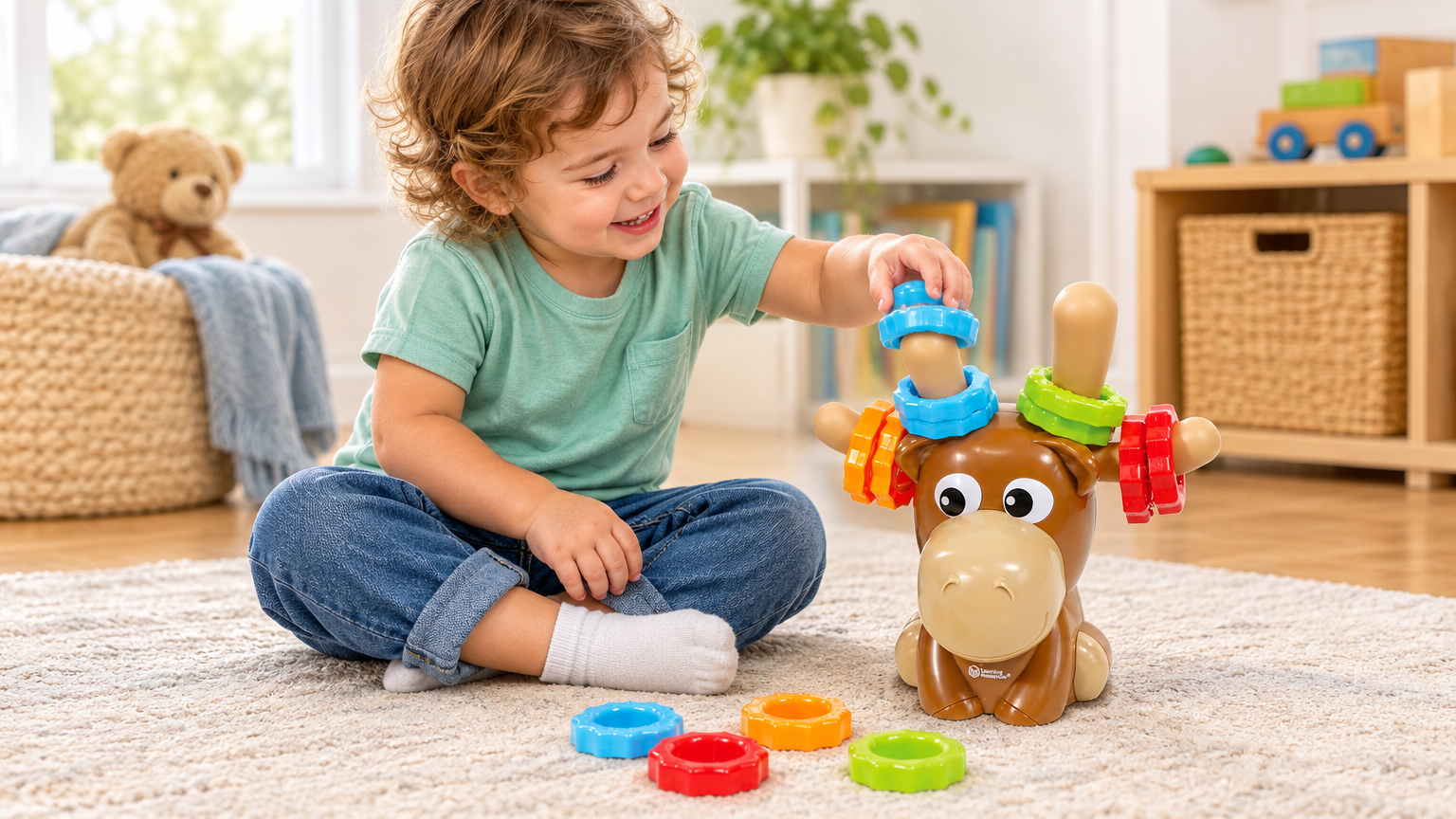
Children can sort, stack and match 12 colorful rings with smooth and bumpy textures. The rings store inside Max the moose after play. View on Amazon
Who this toy suits
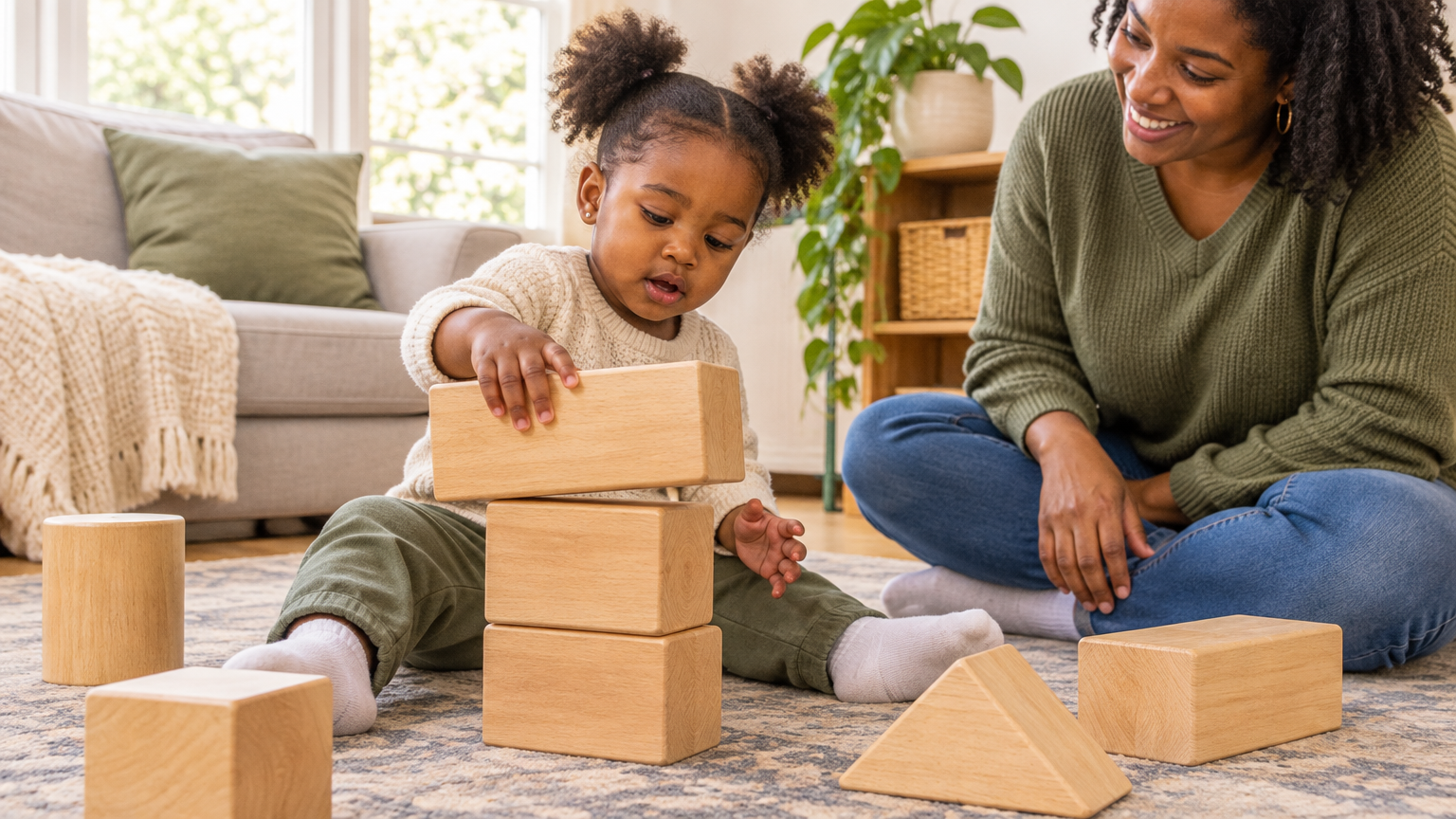
Learning Resources Max the Fine Motor Moose is for ages 2 and up, according to the manufacturer’s listed age recommendation. That minimum applies even if a younger child would have adult help.
Max may suit children who enjoy picking up loose pieces, sorting objects and repeating simple stacking actions. The set includes one moose and 12 colorful rings, with smooth and bumpy textures to explore. The rings store inside Max when play is finished.
The buying decision is mainly about whether your child enjoys handling and arranging rings. The moose character may appeal to an animal-loving child, but the documented activities are sorting, stacking, matching and exploring the pieces. The listing specifies one player; an adult can join in with conversation or the optional suggestions below.
What children can do and learn
- Pick up, place and stack rings. Children can practice grasping a ring, moving it and releasing it where they choose. NAEYC’s chapter on play materials for fine-motor practice recommends varied experiences using the wrists, hands and fingers. Ring handling is one opportunity for those observable actions, rather than a promise of stronger hands or later writing ability.
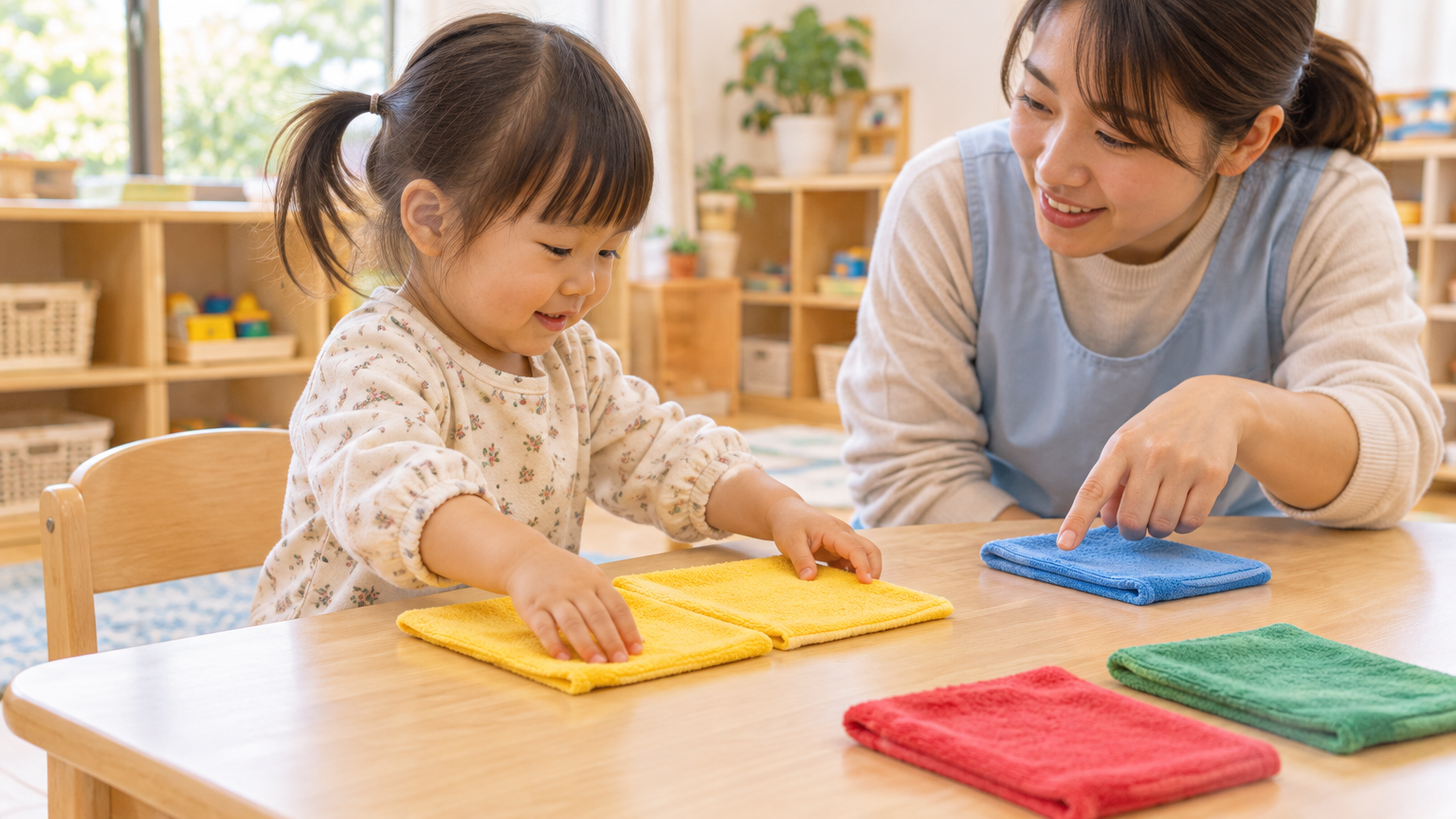
- Match colors. Children can select a ring, look for another of the same color and place them together. They can also rearrange their groups or choose a different starting color. Matching is a documented activity with this set; there is no need to turn it into a test or require children to name colors before participating.
- Compare smooth and bumpy textures. Children can feel the rings and group them by surface texture while an adult describes what they touch. NAEYC’s guidance on sets and sorting describes noticing objects’ attributes and suggests exploring, describing and grouping materials with different textures.
Play ideas to try

These are optional parent suggestions, not additional manufacturer rules or official game modes.
Find a color partner. Set out a few rings and choose one as a starting piece. Ask, “Can you find another this color?” Put matching rings beside each other, then let your child choose the next starting ring. Add more rings if they want to continue.
Make texture groups. Feel a smooth ring and a bumpy ring together. Invite your child to place other rings beside the texture they match. Describe the surfaces without requiring a spoken answer; touching and placing are enough for this activity.
Stack, then pack. Invite your child to stack some rings, take the stack apart and try another arrangement. Finish by gathering the rings and putting them inside Max. Keep the arrangement child-led rather than setting a required height or pattern.
Before you buy
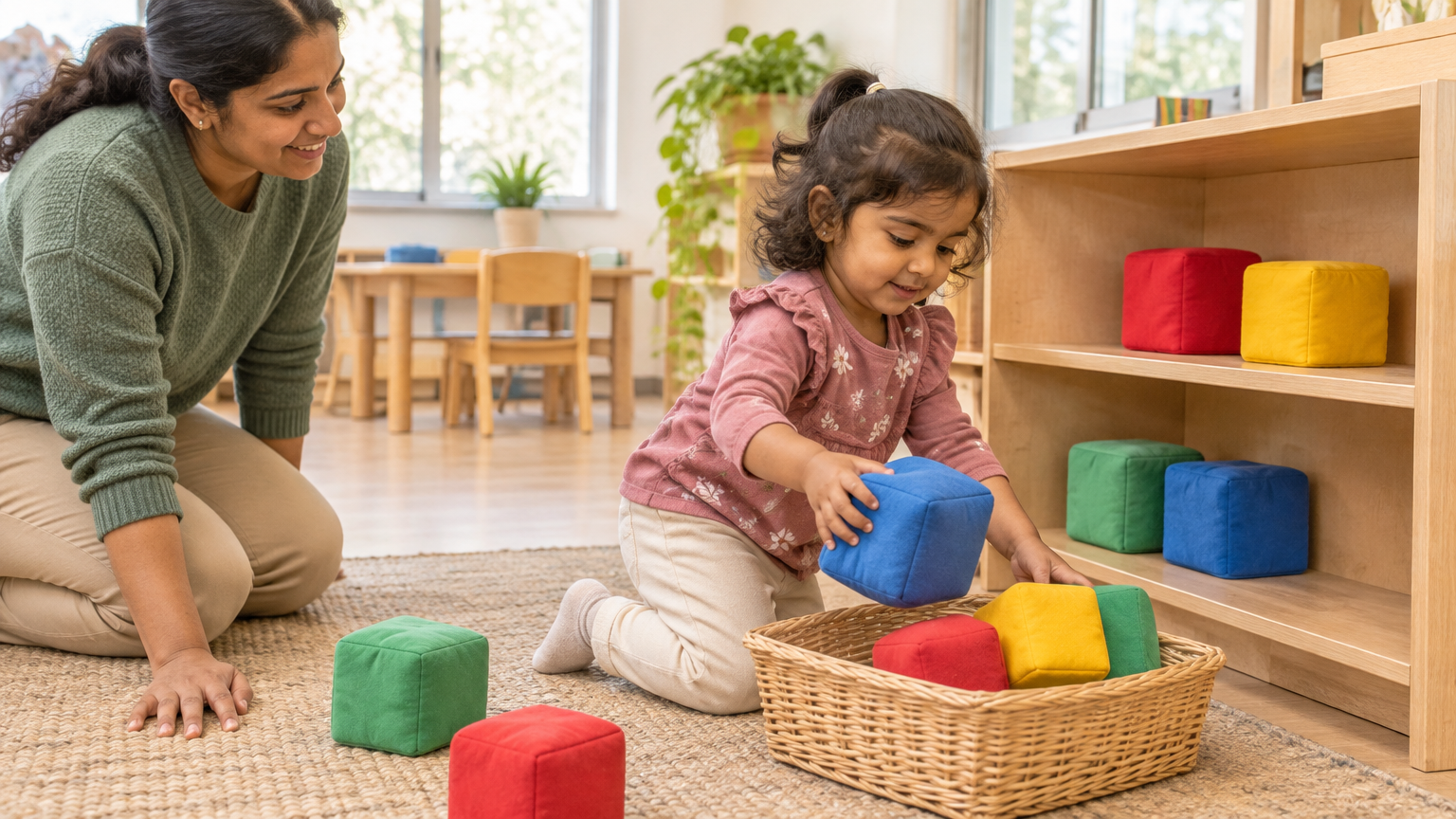
Expect 13 included pieces: the moose and 12 rings. Internal storage provides a place for the rings, but they still need to be gathered after play. Consider whether loose-piece play suits your household and where you will spread out the rings for sorting.
The supplied facts do not establish dimensions, battery requirements or additional safety warnings. Check the current listing, packaging and instructions for those details before purchase and use. Keep the manufacturer’s 2 years and older minimum firm.
When another type may fit
A one-piece activity toy may fit better if you want fewer loose components. An age-appropriate construction set offers a different focus for children who mainly want to build structures. A simple pretend-play set may be a closer match for children most interested in acting out stories.
Explore developmental milestones at 2 years.
Sources
Research sources provide general play guidance, not testing or endorsement of this specific toy.